UAV PCBs: Bridging Battlefields and Daily Life, Embracing Aspirations for Peace
The development of AI computing power is driving the PCB market toward high-end, technological upgrading and globalized layout.
UAV PCBs: Bridging Battlefields and Daily Life, Embracing Aspirations for Peace
As the neural core of unmanned aerial vehicles (UAVs), printed circuit boards (PCBs) may seem like precision components hidden inside the fuselage, yet they have long transcended their single identity as "military accessories". Instead, they have deeply integrated into the fabric of our daily lives, embodying two contrasting roles: one serving warfare, the other safeguarding peace. From UAV confrontations on the Russia-Ukraine battlefield to everyday logistics delivery and agricultural crop protection, the technological evolution of UAV PCBs has always centered on the core principles of reliability, adaptability and lightweight design. The switch between these two scenarios further reflects humanity’s value choices in technological application—technology itself is neither good nor evil; the key lies in whether it is used for destruction or construction, and ultimately whether it leads to the shadow of war or the sunshine of peace.
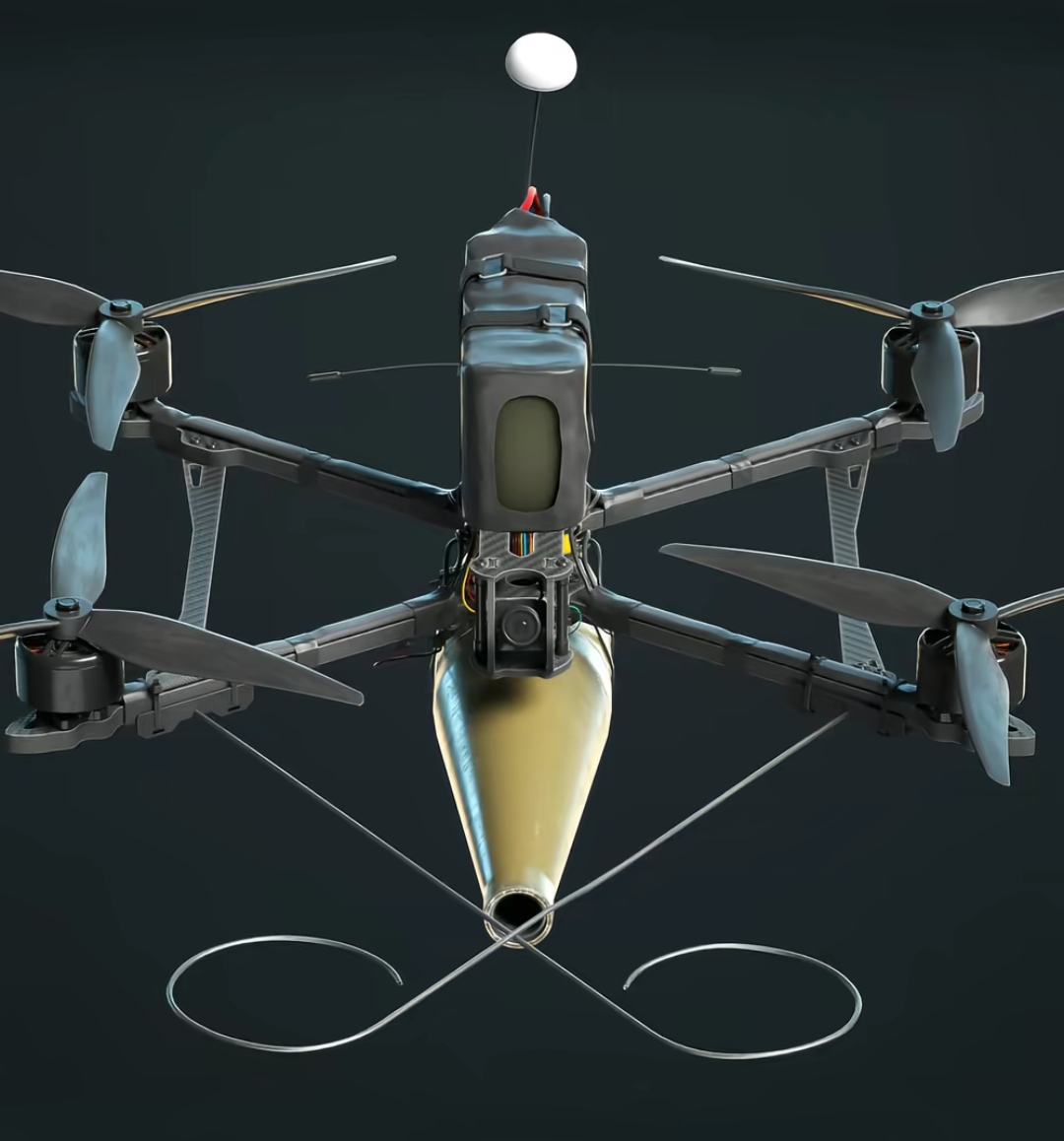
In the context of the Russia-Ukraine conflict, UAV PCBs are the invisible core of battlefield confrontation. Their performance directly determines the outcome of battles and the safety of personnel, and indirectly influences the trajectory and scope of the war. The large numbers of FPV suicide drones and reconnaissance UAVs deployed by both sides impose extremely stringent requirements on PCBs under harsh environments:
- Robust anti-electromagnetic interference (EMI) design resists enemy electronic warfare jamming, ensuring uninterrupted navigation and image transmission signals.
- Lightweight high-Tg materials and rigid-flex hybrid technology enable UAVs to achieve extended flight endurance and high-speed penetration capabilities.
- High-density interconnect (HDI) layouts integrate core modules such as flight controllers and fuzes within the compact fuselage, endowing low-cost UAVs with precision strike capabilities.
Here, UAV PCBs act as a key driver of the "consumablesization" of warfare, enabling asymmetric combat. Yet they also allow the cruelty of war to spread in a more covert and decentralized manner—when infrastructure in civilian areas becomes targets, and ordinary people face threats from UAV surveillance and attacks, we clearly see that UAV PCBs serving warfare will ultimately turn technological advantages into tools for destroying peaceful life, making daily tranquility a luxury.
In the peaceful daily life, however, UAV PCBs transform into enablers that enhance quality of life and drive social development. Their core technological attributes—reliability and adaptability—remain unchanged, but their application scenarios are filled with the warmth of daily life and constructive potential.
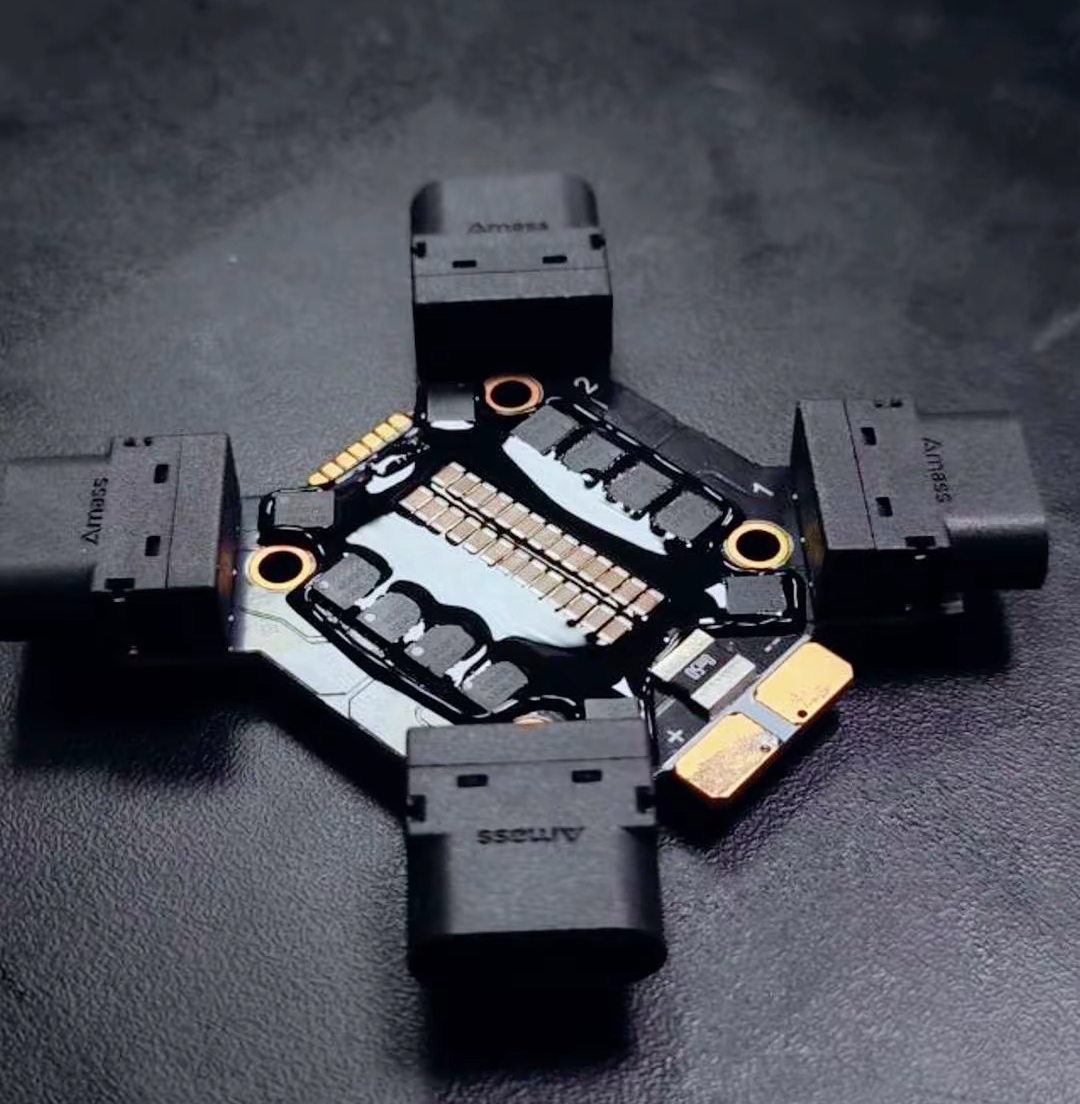
- In the agricultural sector, PCBs in crop protection UAVs support precision navigation, pesticide flow control and stable flight posture, making pest and disease control over vast farmlands more efficient, reducing pesticide waste and lowering farmers’ labor intensity.
- In the logistics industry, PCBs in delivery UAVs ensure positioning accuracy and flight safety, facilitating material transportation in remote mountainous areas and islands, and bridging the "last mile" of logistics services.
- In emergency rescue operations, PCBs in reconnaissance UAVs enable rapid transmission of disaster area image data, helping rescuers accurately assess situations and formulate rescue plans, thus gaining precious time for saving lives.
- Beyond these, aerial photography UAVs document the beauty of mountains and rivers; surveying UAVs support urban planning; inspection UAVs safeguard the security of power grids and pipelines. In all these scenarios, UAV PCBs translate the "anti-interference and high-precision" technologies honed on battlefields into capabilities that serve people’s livelihoods, making technological innovation truly benefit the public and act as guardians of peaceful life.
The connection between UAV PCBs and daily life is, in essence, a collision and choice between two value orientations: war and peace. The Russia-Ukraine war has shown us that when UAV PCBs serve warfare, even basic civilian-modified PCBs can become tools for undermining peace. Conversely, when they focus on peaceful development, even high-precision military-grade technologies can be transformed into driving forces for improving quality of life. Technological iteration is endless, and the performance of UAV PCBs will continue to advance. But we must be clear about this: the ultimate significance of technology is to make human life better, not to make war more cruel. Loving peace does not mean denying technological progress; it means defining the correct boundaries for technological application. We hope that technological innovations in UAV PCBs will flow more into peaceful fields such as agriculture, logistics and rescue, becoming bridges that connect urban and rural areas, safeguard people’s livelihoods and explore the unknown. We also hope that countries around the world will learn from the painful lessons of the Russia-Ukraine war, and channel technological power into promoting cooperation and development, rather than creating confrontation and destruction. After all, both precision PCB components and advanced UAV technologies should serve as cornerstones for safeguarding peaceful life—not as sparks that ignite the flames of war. Only peace can allow every technological innovation to truly blossom with value that benefits all humanity.
Related Tags:
Related Articles
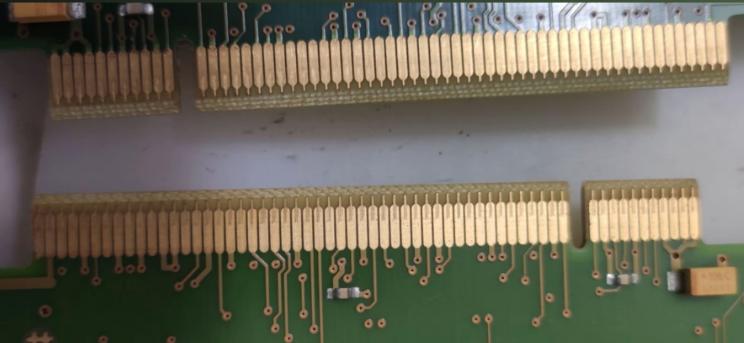
Differences Between Gold Finger Plating and Immersion Gold Plating
The development of AI computing power is driving the PCB market toward high-end, technological upgrading and globalized layout.

The Allure of AI Computing Power
The development of AI computing power is driving the PCB market toward high-end, technological upgrading and globalized layout.
The Allure of AI Computing Power
The development of AI computing power is driving the PCB market toward high-end, technological upgrading and globalized layout.